
Change Your Church's Default Future
What a Default Future Actually Is
Default Futures Look Fine for Years
- Growth hits a ceiling you can't preach your way through.
- Succession becomes a crisis instead of a transition.
- The future becomes less about where Jesus is taking you and more about whether you can keep the plates spinning.
- If you're the leader carrying that weight, name it out loud. That's exactly the kind of pressure Executive Coaching is built to help you carry differently.
Default Futures Are a Clarity Problem

Year-End Planning Can Lock In Your Default Future
Four Signs Your Church Is Living Into Its Default Future
- Your planning starts with last year's calendar, not with where God is taking you.
- Your team can recite the mission but can't explain how it shapes this week's decisions.
- Your best momentum depends on one or two people.
- You track attendance and giving, but you can't say how many people are making disciples where they live, work, and play.
- If two or more of those sound familiar, you're not behind. You're normal. But normal is exactly what a default future produces.
Four Steps From Default Future to a Clear Church Vision
1. Name your default future honestly. Ask your team one question: if nothing changes but the date, where are we in five years? Write the answer down. Don't argue with it yet.
2. Check the assumptions underneath it. Every default future rests on governing assumptions nobody questions because they used to work. I unpacked that idea last month in Blockbuster Churches in a Netflix World. The 7 Laws of Real Church Growth are the diagnostic I use to surface those assumptions. They separate upper-room momentum from lower-room drift, and they show you honestly which laws your church is living by right now.
3. Clarify a church vision that’s actually yours. For 25 years, the Vision Frame has helped churches answer five questions every church has to answer: What are we doing? Why are we doing it? How are we doing it? When are we successful? Where is God taking us? Those questions still matter. But after writing Future Church, I rebuilt the process around them. Pivvot Vision Framing is the Vision Frame 2.0. It starts by defining your church’s design challenge, then helps your team move past an assimilation model toward real multiplication, where people are called, trained, and sent. We just certified our first group of pastors in Pivvot Vision Framing, so more churches can do this work with a guide who knows it from the inside. A Vision Clarity sprint walks your team through the process to name your unique future and turn it into a plan. Want a head start? Get the Vision Frame Cheat Sheet.
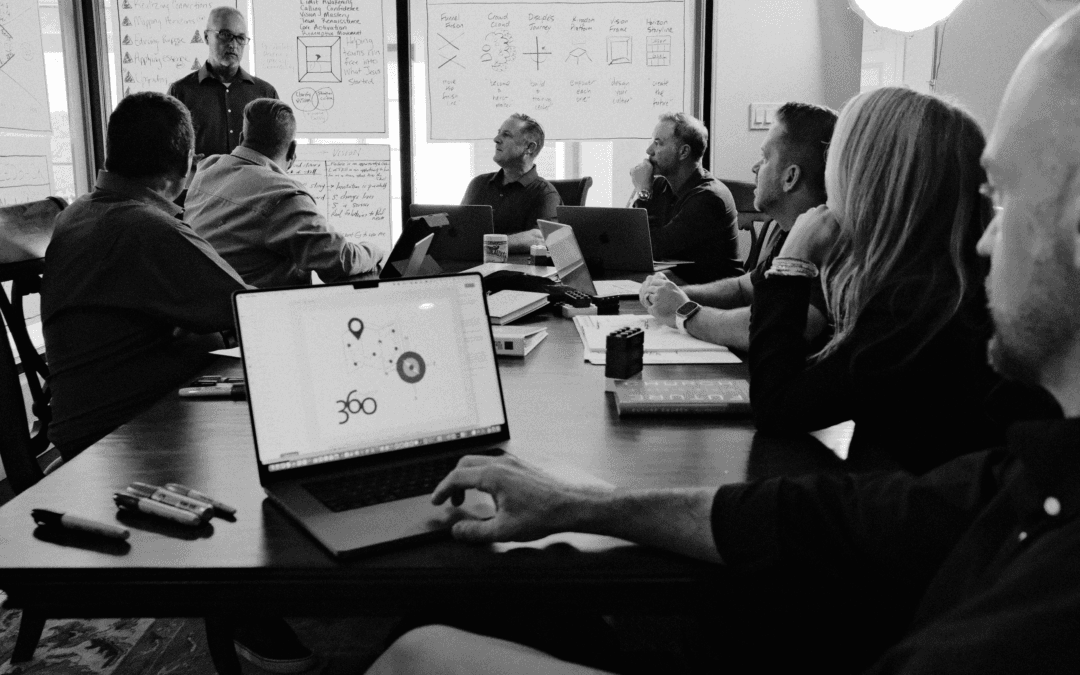
4. Build a team that carries it. A vision document doesn't change a default future. People do. Teams that truly change direction experience a change of mind, not just a better plan. Team Coaching installs simple rhythms so your team makes decisions and follows through. And when your people discover their own calling through Calling Activation, the future stops depending on one leader.
I've seen what happens when a team does this work. A church in central Florida clarified its vision and, within six months, received a $4.26M gift that followed that clarity. Not every story looks like that one, but every church we've walked with started in the same place: willing to look honestly at where they were heading.
Three Questions for Your Next Planning Meeting
- If nothing changes but the date, where will our church be in five years?
- Is that the future we actually want, or just the one we're used to?
- What would we stop, start, or change in next year's plan if we took the answer seriously?
- If those questions surface more than you expected, The 4 Tests of a Disciple-Making Church will help you go one layer deeper.
Your Next Step Toward a Clear Church Vision